
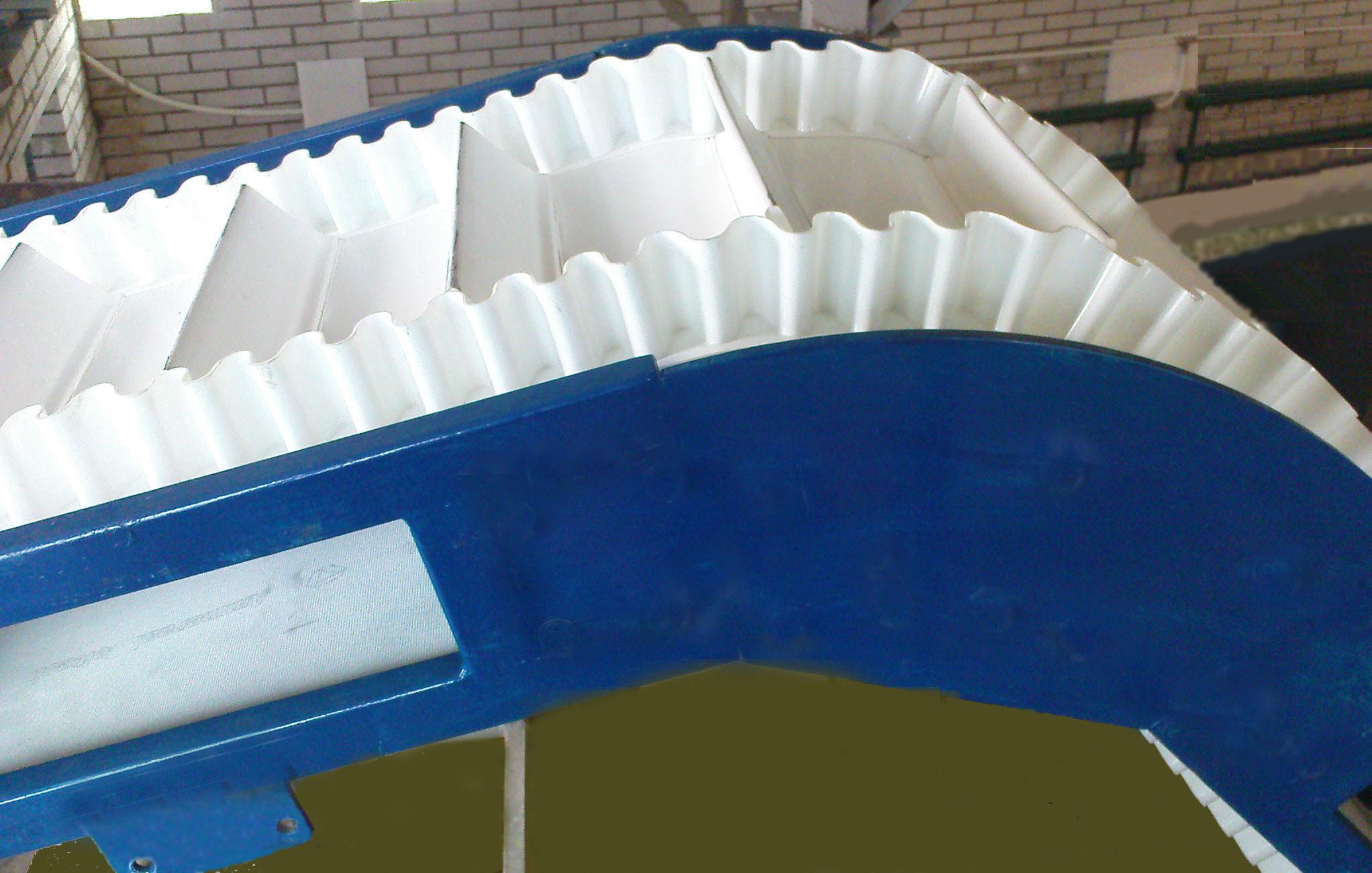
Corrugated sidewalls
A corrugated sidewall is used to transport bulk loads on both horizontal and inclined conveyors…
Learn about serviceManufacture of conveyor and transporter belts for moving bulk or packaged loads, as well as all packaged and piece loads in horizontal, vertical or any other direction — within one plane or in space. Conveyor belts for woodworking and furniture plants, for the mining and stone-processing industry, and for use in the food, medical and pharmaceutical industries.
Aerosila Plus designs and manufactures transport belts for airports, postal services and other branches of industry and the economy.
A conveyor belt is a component of a belt conveyor that serves as its traction and load-carrying element. Among the equipment we manufacture there are belts of various types, but two main categories are usually distinguished: general-purpose belts and special belts. The former transport bulk materials, the latter are used in conditions of aggressive components, high temperature, fire hazard, etc. The choice of belt is based on the physical and chemical properties of the load being transported.
The main classification of conveyor belts is based on the material the belt is made of. The most common are rubber-fabric and rubber-cord belts; polymer, canvas, modular and plastic belts are less common.
Rubber-fabric belts have a fabric carcass (polyamide, polyvinyl chloride, polyamide-polyester) as well as rubber covers. Chevron belts are used to transport loads on an incline. There are various types of rubber-fabric belts:
frost-resistant and heat-resistant — operate in extreme temperatures, including moving loads in the range from -60 to +200 °C;
food-grade — designed for moving food products; on direct contact with the load they cause no physical or chemical reactions;
general-purpose belts — the most frequently used, designed to work under normal temperature conditions and load weight categories.
Rubber-cord conveyor belts have almost the same structure as the previous ones. The main difference is the material inside the rubber carcass — in this case, steel cords. The main advantage of rubber-cord belts is the ability to move loads over long distances thanks to the absence of elongation of the cord belts during operation.
The design and installation of conveyor belts is carried out at a high level in compliance with all technological processes. Prices for conveyor belts can be obtained from our company's specialists.
A corrugated sidewall is used to transport bulk loads on both horizontal and inclined conveyors…
Learn about service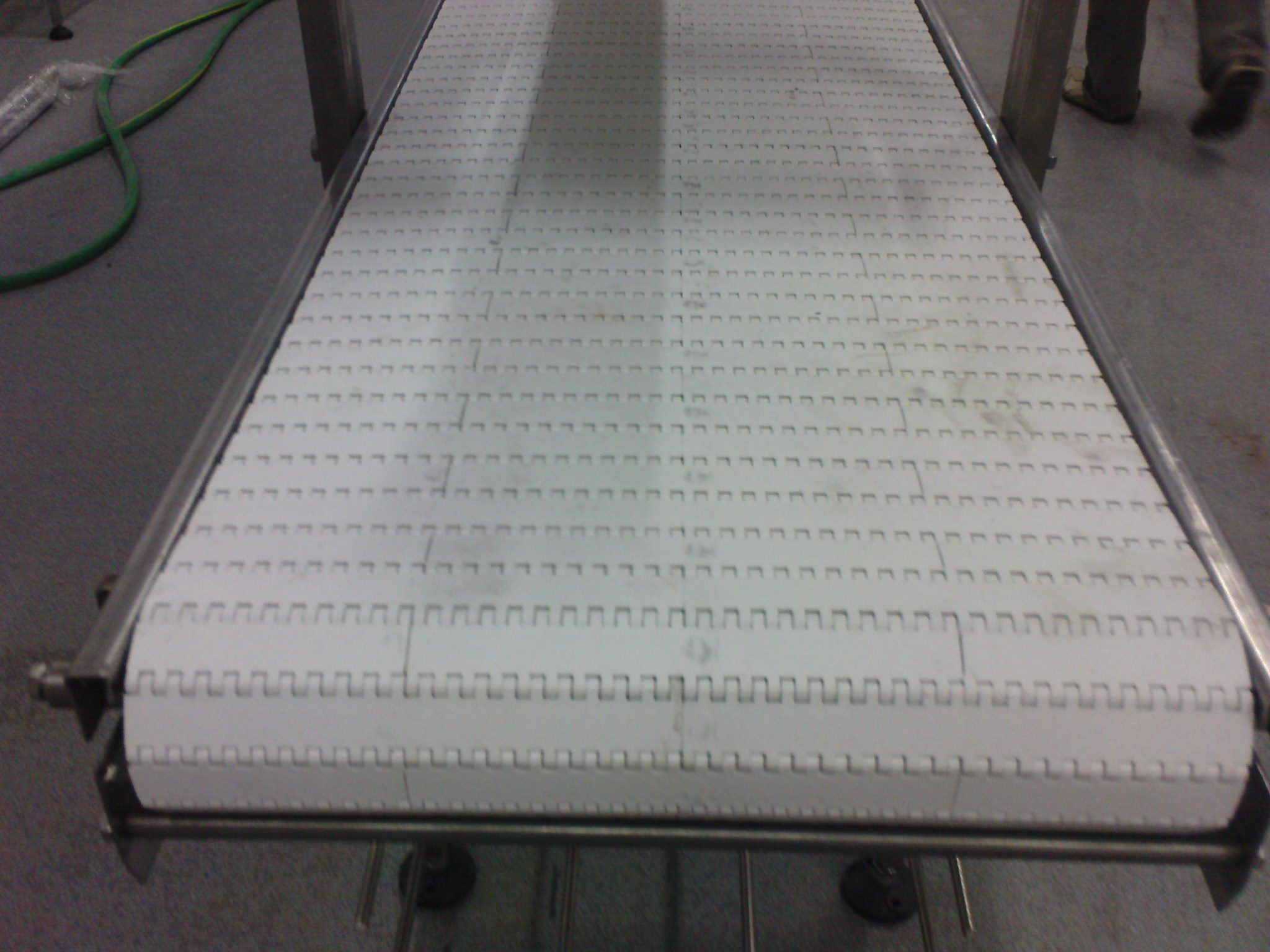
Plastic conveyor belts are the most popular for use on various industrial equipment in Ukraine…
Learn about service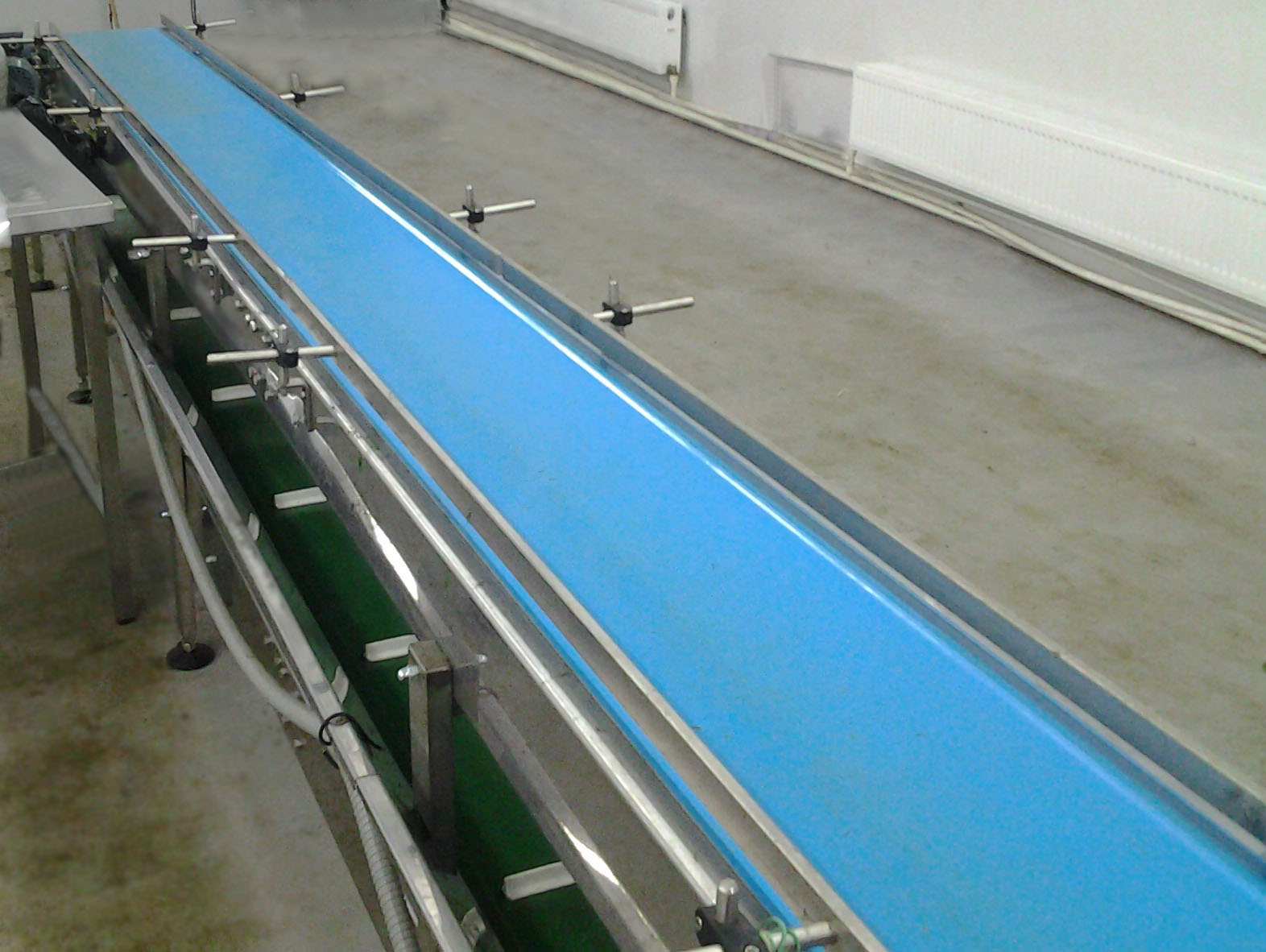
Polyurethane conveyor belts are distinguished by their increased resistance to chemical and temperature effects…
Learn about service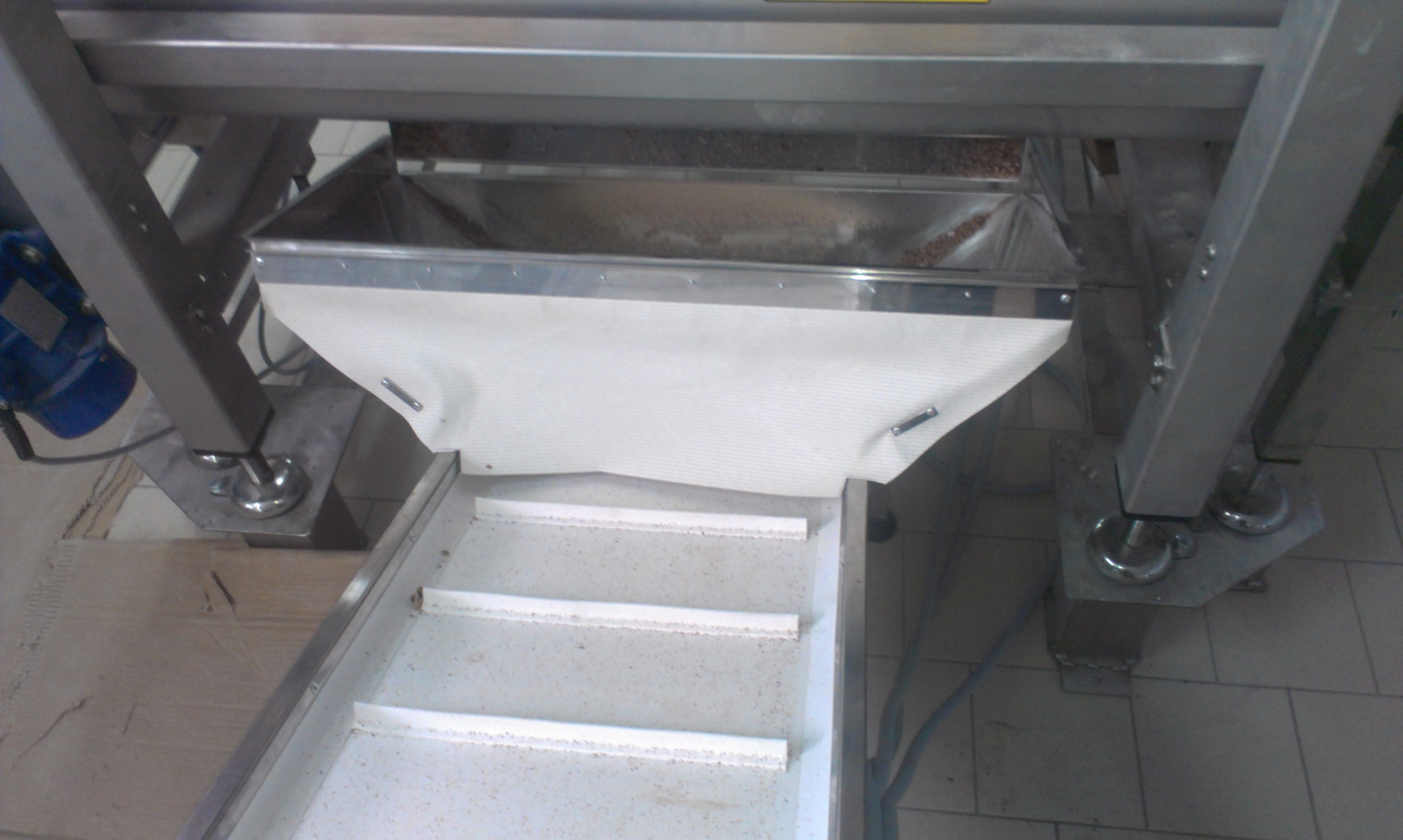
Transverse profiles in conveyor systems are used for inclined and metered transport of products…
Learn about service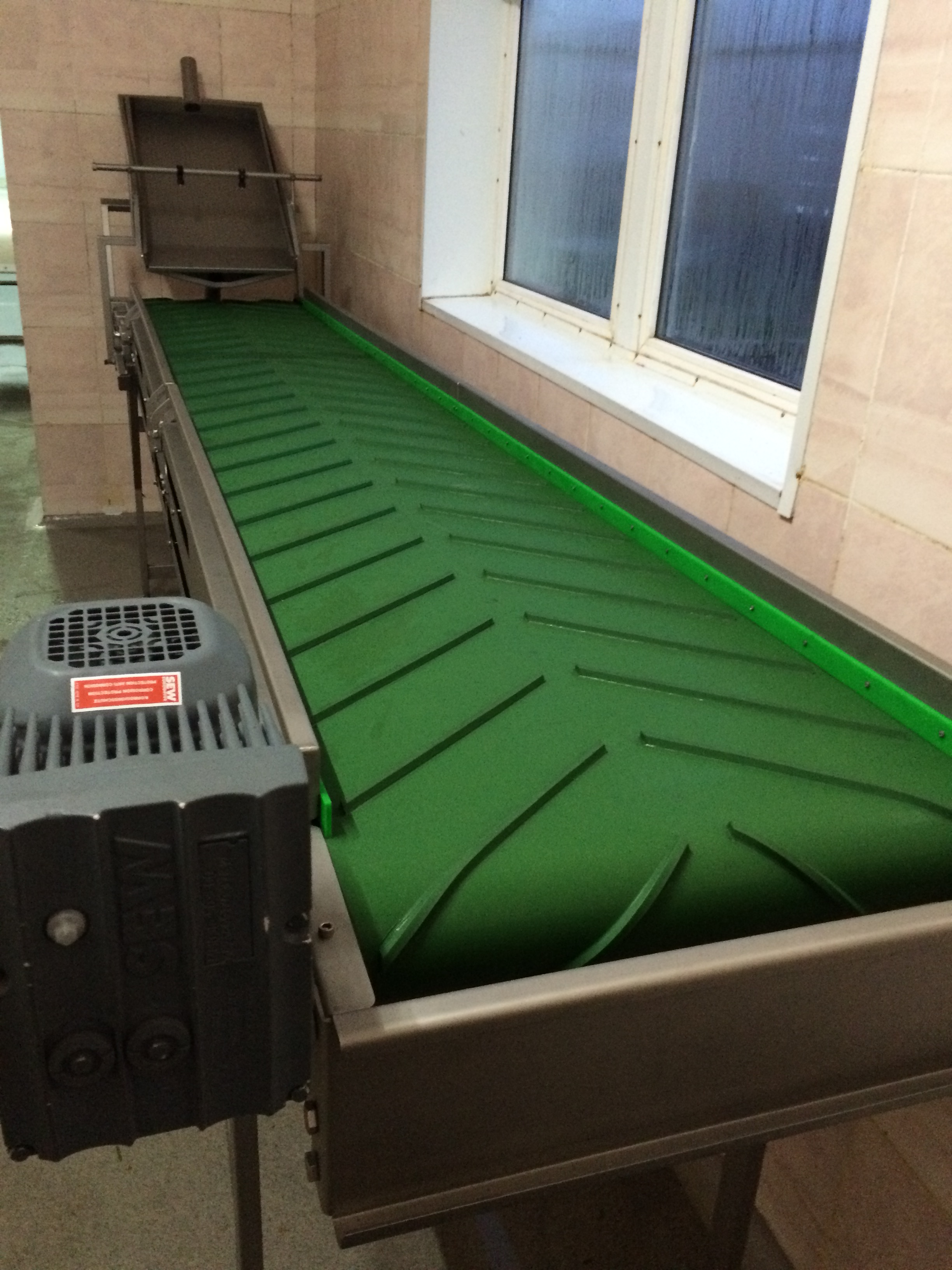
PVC conveyor belts supplied by Aerosila Plus are used in the food, pharmaceutical and woodworking industries and in the …
Learn about service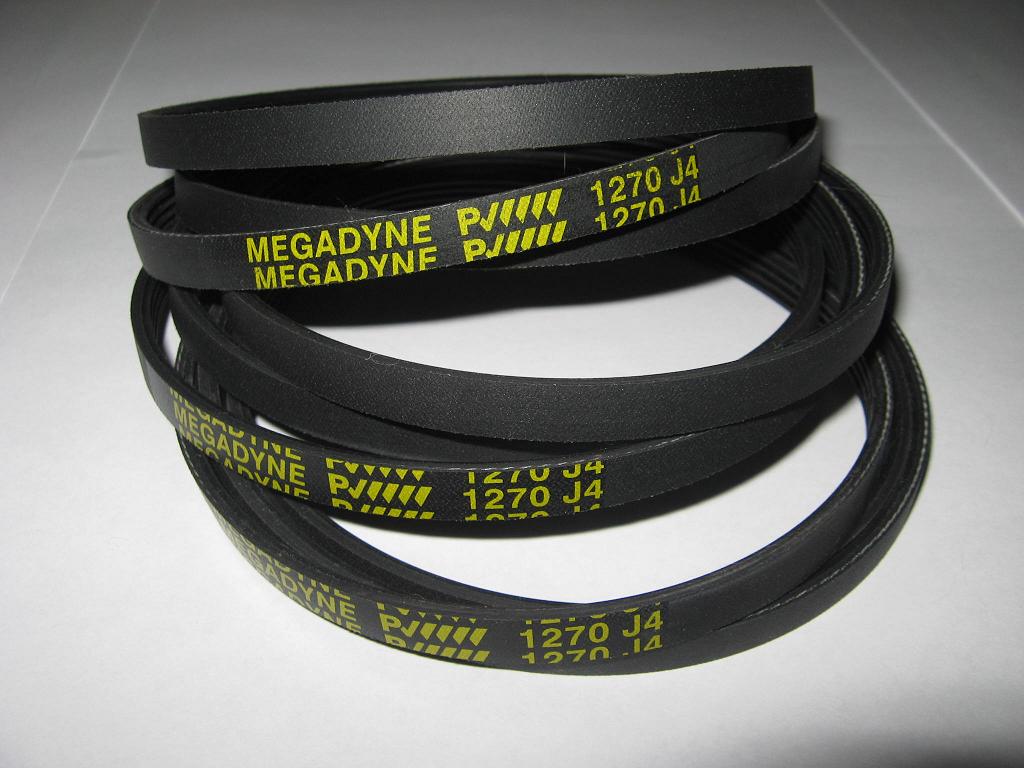
Aerosila Plus sells drive belts for conveyor systems and also manufactures conveyor systems with drive belts to the cust…
Learn about service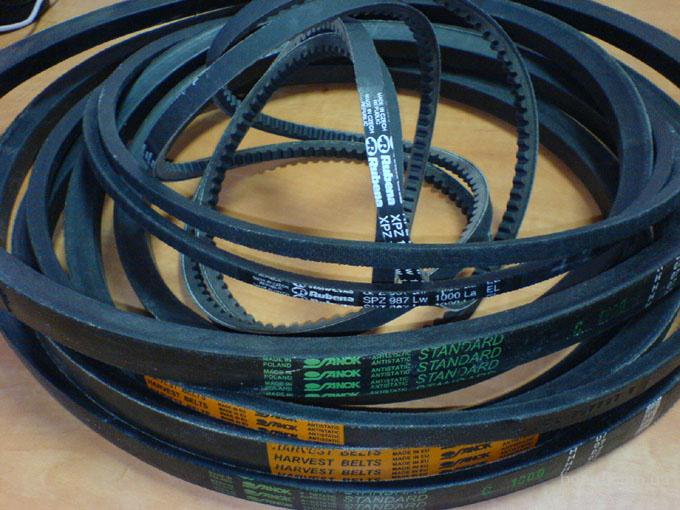
Aerosila Plus sells and installs toothed belts for conveyor systems and also manufactures conveyor systems with toothed …
Learn about service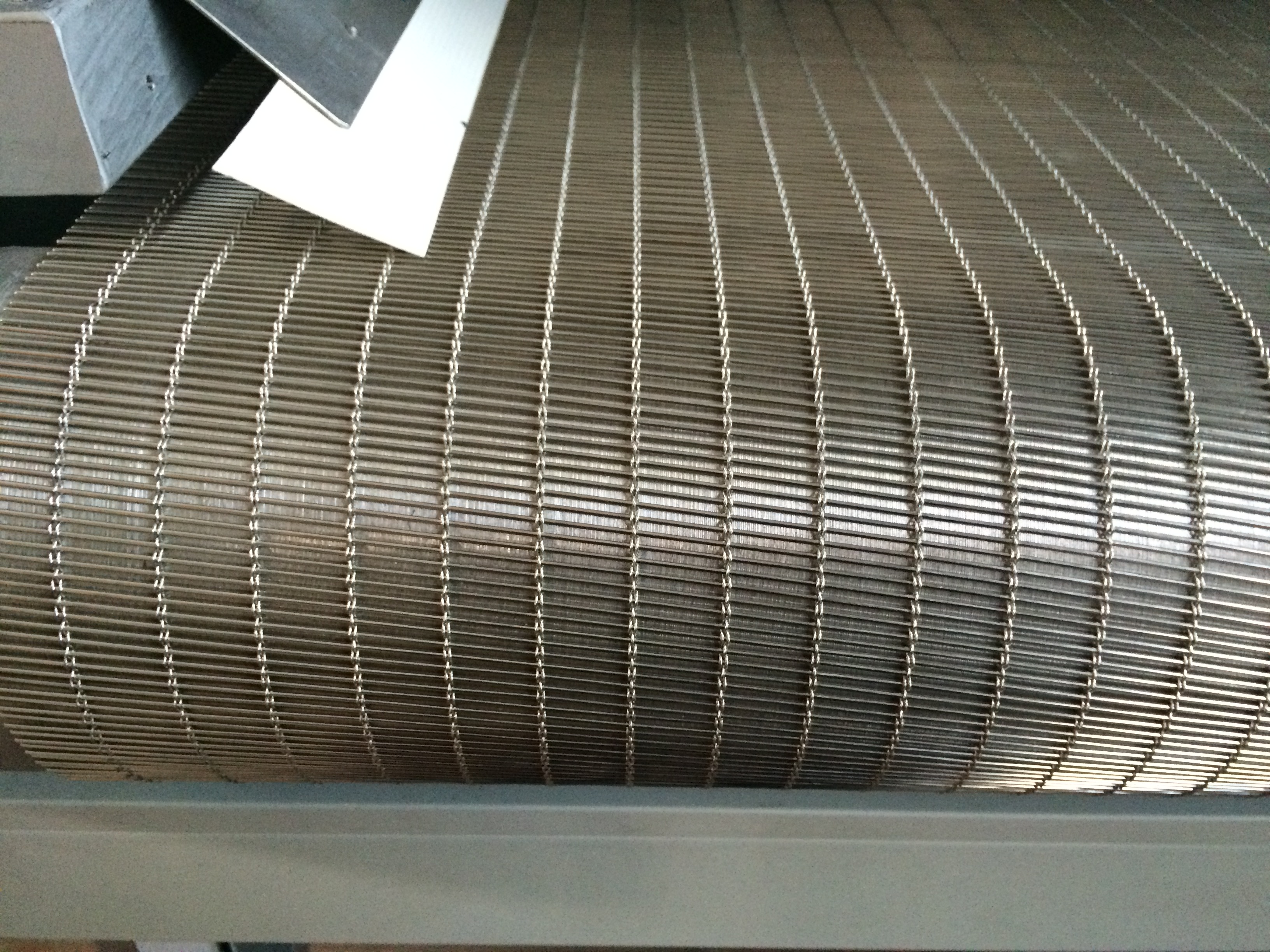
Aerosila Plus sells stainless steel metal mesh for conveyor systems and also manufactures conveyor systems with stainles…
Learn about service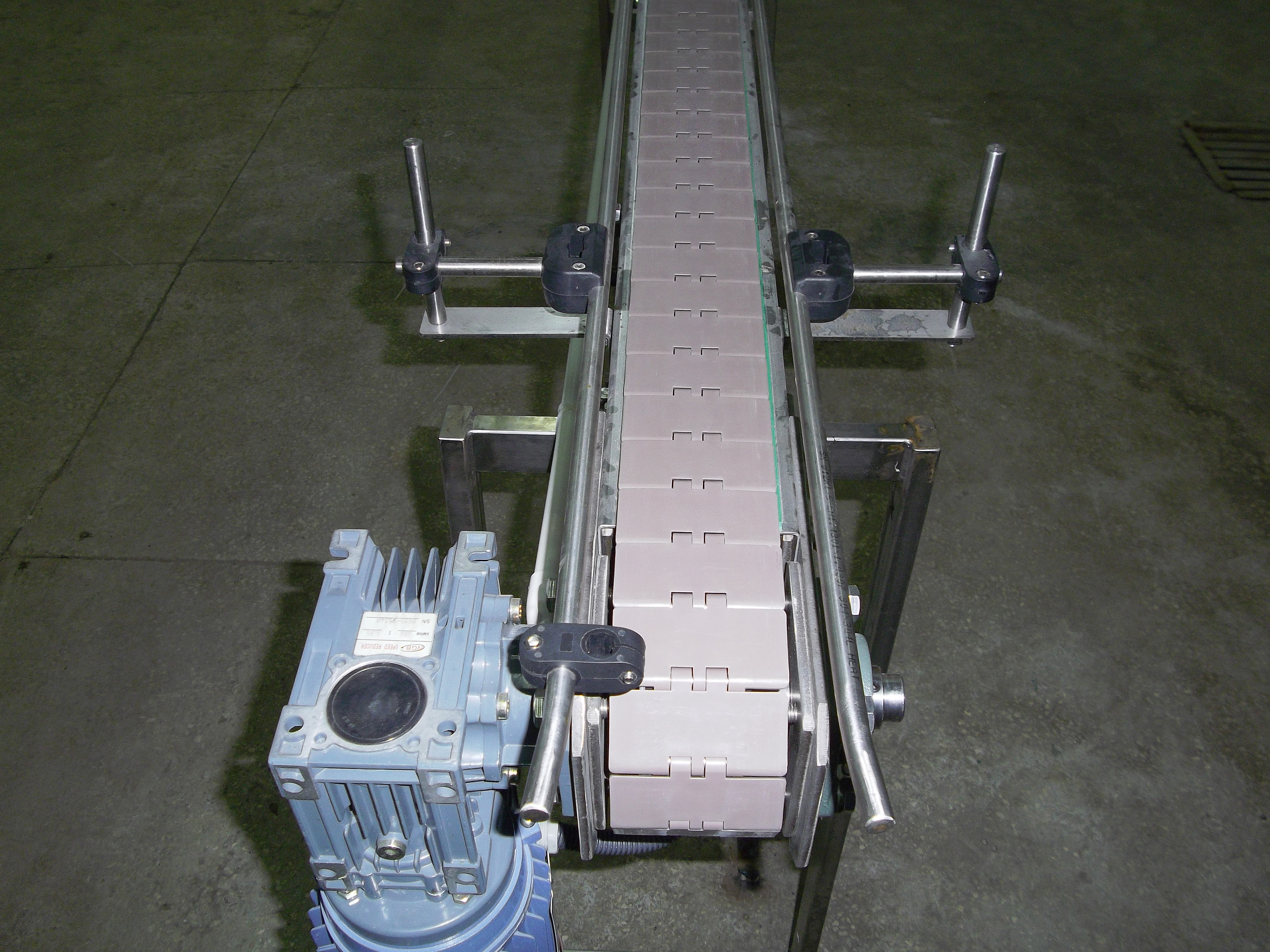
Aerosila Plus sells plastic chain for conveyor systems and also manufactures conveyor systems with plastic chain to the …
Learn about service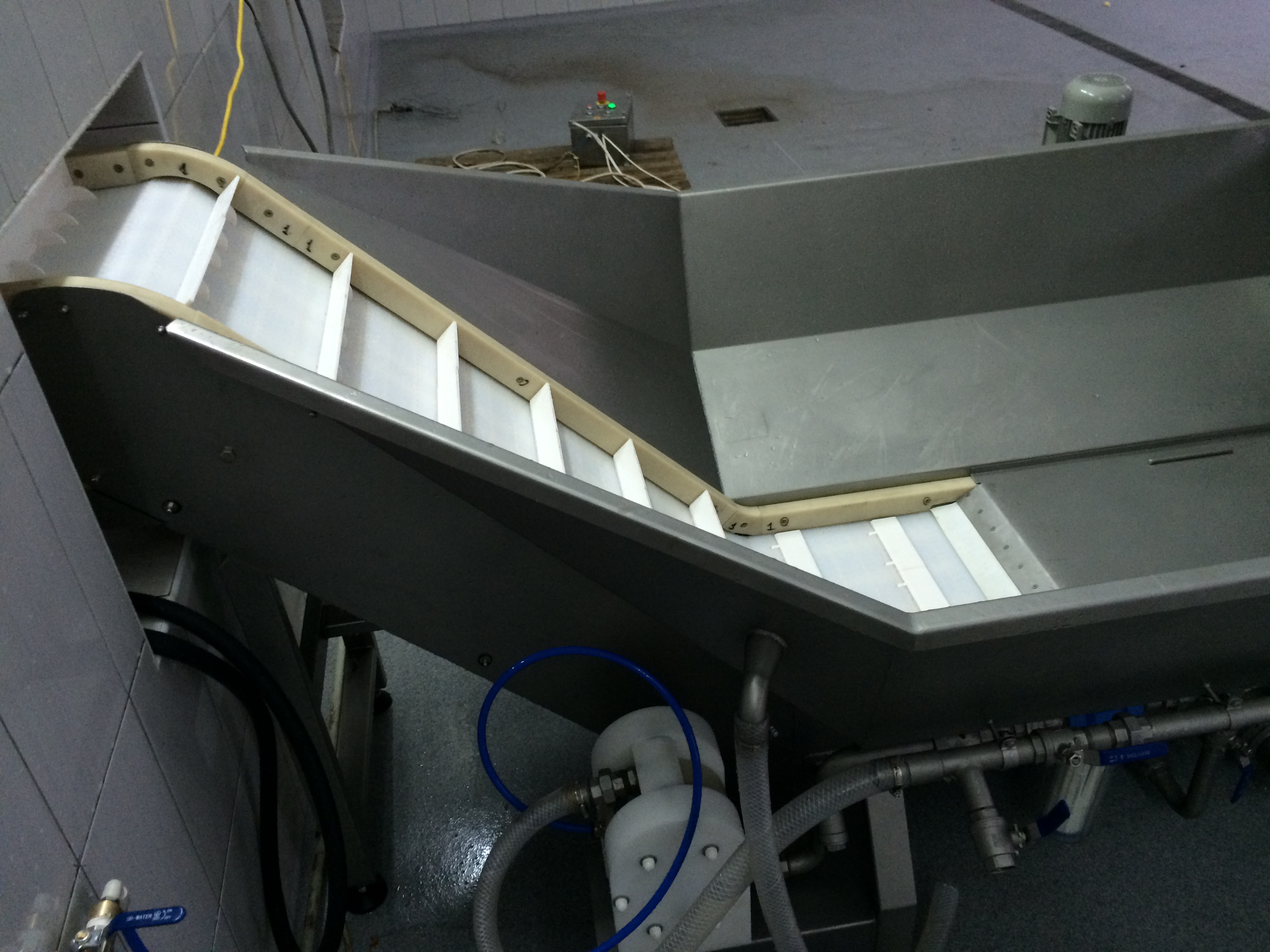
Aerosila Plus sells and installs pop-up transverse profiles for conveyor lines and also manufactures conveyor systems wi…
Learn about serviceLeave a request — we will contact you within an hour during business hours